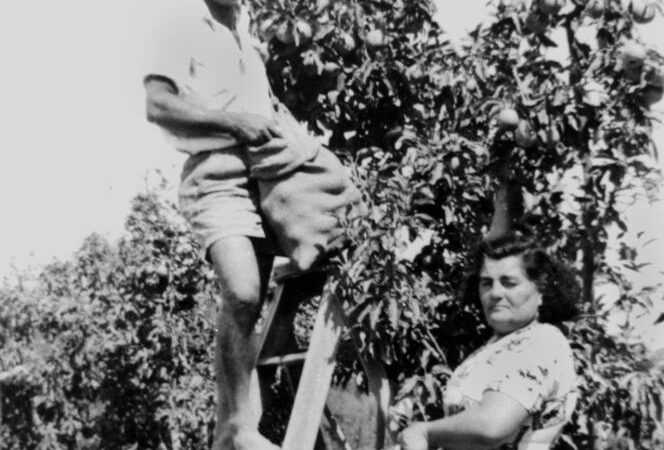
I’ve had staff leave for regional farm work specifically to qualify for a second-year visa, and the ones who succeeded all did one thing in common: they started early and kept meticulous records. Here is what the requirement actually involves.
Quick answer: To qualify for a second-year Working Holiday visa (417/462), you need 88 days of specified work in a designated regional area during your first year. For a third year, you need an additional 179 days (about 6 months) during your second year. UK passport holders are exempt from this requirement entirely under the Australia-UK Free Trade Agreement.
What Counts as Specified Work
Specified work must be both the right type of job and in the right location. Eligible industries generally include:
- Plant and animal cultivation (fruit picking, farm work, cotton, sugar cane)
- Fishing and pearling
- Tree farming and felling
- Mining
- Construction
- Bushfire and natural disaster recovery work
Tourism and hospitality work only counts toward specified work if it’s in Northern Australia or areas classified as Remote or Very Remote, a regional cafe job in most of Victoria or NSW won’t qualify, but the same job in somewhere like Cairns or Darwin generally will.
It Has to Be the Right Postcode Too
The Department of Home Affairs maintains a specific list of eligible regional postcodes. Major cities (Sydney, Melbourne, Brisbane, Perth, the Gold Coast) are excluded. Always check the exact postcode of your employer before starting a job, not just the general region, since eligibility is defined postcode by postcode.
How the 88 Days Are Counted
- Full-time work: If you’re working continuously full-time, weekends can generally be counted too, so a 5-day work week can count as 7 calendar days
- Part-time or casual work: Only the actual days you worked count, weekends off don’t count
- Multiple employers: Days from different jobs can be combined, and they don’t need to be consecutive
Most guides recommend aiming for a buffer above 88 days (closer to 95) to account for counting method disputes.
Documentation Is Everything
The single biggest reason second-year visa applications get rejected is insufficient proof. Keep:
- Payslips showing your employer’s name, ABN, dates, hours, and pay rate
- Bank statements showing the deposits
- A written reference or completed Employer Declaration (Form 1263) from each employer
- Your own daily diary of where you worked and what you did
Never accept cash-in-hand work for this purpose, without proper payslips and tax records, there is no way to prove the work happened, and the Department cross-checks employment records during assessment.
The Third Year Requirement
If you want to extend to a third year, you need an additional 179 days (roughly 6 months) of specified work completed during your second year, on top of the original 88 days from your first year.
The UK Exception
Since the Australia-UK Free Trade Agreement took effect in 2024, UK passport holders no longer need to complete any specified work to qualify for a second or third-year visa. If you hold dual nationality and one of your passports is British, it’s worth checking whether applying under that passport removes the requirement for you.
A Cost Worth Knowing About
From 1 July 2026, the second-year Working Holiday visa application fee rose to $1,000, up from $670, a much steeper increase than most other visa categories saw this year. Budgeting for this fee alongside the time and travel cost of completing your regional work is worth factoring in early. For more on the broader visa fee changes, see our guide on Australia’s 2026 visa price increases.
Where to Check the Official Requirements
Requirements can vary by nationality and change over time. Always confirm current details directly on the Department of Home Affairs specified work page before starting any job you’re relying on for your visa extension.
Looking for regional work to count toward your 88 days? The free government Harvest Trail service is one option — see where backpackers actually find casual and farm work for the full picture.
Not sure which subclass or age rules apply to you in the first place? Start with how the 417 and 462 working holiday visas actually work.
Final Thoughts
The 88 days is genuinely achievable, most people who fail don’t fail because the work was too hard, they fail because of a wrong postcode or missing paperwork. Start early in your first year, verify the postcode before you accept any job, and keep every payslip. That combination is what actually gets people through to their second year.
—
*This article is for general informational purposes only and does not constitute migration advice. For guidance specific to your situation, consult a MARA-registered migration agent or the Department of Home Affairs directly.*