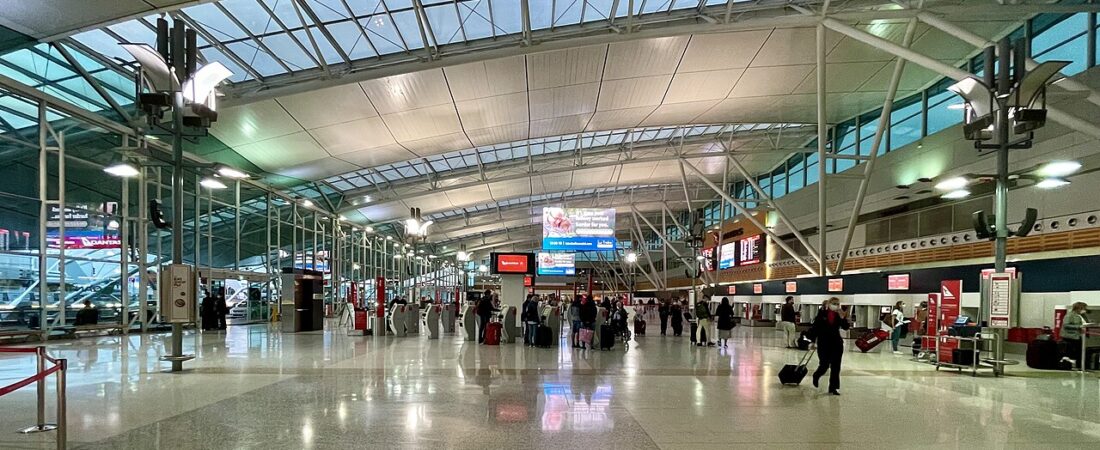
A staff member of mine once flew home to see her sick mother without realising her bridging visa didn’t allow it, she found out at check-in that she couldn’t board her return flight to Australia. It was a genuinely awful situation, and completely avoidable. Here is what each bridging visa actually lets you do.
Quick answer: A bridging visa keeps you legally in Australia between your old visa expiring and a decision on your new one. The type matters enormously: BVA and BVC do not allow travel at all, only a BVB does, and you must have it granted before you leave, not after.
Why Bridging Visas Exist
Under Australian law, everyone in the country must hold a valid visa or be classed as an unlawful non-citizen, which carries serious consequences. A bridging visa exists purely to prevent that gap, it keeps you lawful while your new application is being decided, without being a visa in its own right that leads anywhere permanent.
Bridging Visa A (BVA)
This is the one almost everyone gets automatically. If you lodge a new visa application while your current visa is still valid, you’re granted a BVA that activates the moment your old visa expires.
- Work rights usually carry over from your previous visa
- No international travel, if you leave Australia on a BVA, it ceases immediately and you cannot use it to return
- Stays active until your new application is decided, plus a further period after a refusal if you’re appealing
Bridging Visa B (BVB)
This is the only bridging visa that lets you leave and re-enter Australia. It is never automatic, you must apply for it and have it granted before you travel.
- Costs roughly $190 AUD as of 2026 (fees are indexed each 1 July, so check the current published rate)
- Grants a specific travel window, commonly 3 months, sometimes longer for genuine reasons
- If your BVB expires while you’re overseas, you lose your right to return on it, always check your VEVO status 48 hours before flying back
Bridging Visa C (BVC)
This one applies if your previous visa had already expired before you lodged your new application, meaning you were briefly unlawful.
- No travel rights at all
- No automatic work rights, you must separately apply and demonstrate financial hardship
- Being unlawful before applying can trigger additional complications for certain visa types
Bridging Visa D and E
BVD is a short-term visa (around 5 working days) for people whose visa is about to expire or has just expired with very limited options. BVE is the most restrictive bridging visa, generally used in more serious situations such as pending removal from Australia, and often comes with strict reporting conditions.
The Single Biggest Mistake People Make
Assuming a BVA lets you travel. It doesn’t, and there’s no grace period, the moment you leave Australia on a BVA alone, it ceases and you cannot use it to come back. If you need to travel for any reason while your application is pending, the BVB must be granted before you go, not applied for on the way to the airport.
What Changed in 2026
Australia has been tightening rules around “visa hopping”, repeatedly switching between short-term visas to stay in the country indefinitely. Recent changes have made it harder to stack certain visa types onshore, which flows through to how some bridging visa situations are assessed. If your visa strategy relies on switching visa types while in Australia, it’s worth checking current settings rather than assuming what worked a couple of years ago still applies.
How to Check Your Own Conditions
Never assume, your bridging visa’s specific conditions (work rights, travel rights, reporting requirements) are set out in your grant letter and on VEVO (Visa Entitlement Verification Online). Two people can hold the same subclass of bridging visa with different conditions attached. Check the Department of Home Affairs bridging visa information directly, and if your situation is complex, a MARA-registered migration agent is worth the cost of a consultation.
Final Thoughts
Bridging visas are simple in concept, stay lawful while you wait, but the details genuinely matter. If you only remember one thing from this guide: never travel on a BVA alone, and never leave the country without checking your BVB is granted and still valid. For related visa cost changes, see our guide on Australia’s 2026 visa price increases.
—
*This article is for general informational purposes only and does not constitute migration advice. Bridging visa conditions vary significantly by individual case, always verify your specific conditions on VEVO or with a MARA-registered migration agent before making travel or work decisions.*
What Each Bridging Visa Actually Costs
| Visa | Cost | Processing time |
|---|---|---|
| BVA (subclass 010) | Free | Not published by Home Affairs |
| BVB (subclass 020) | AUD $575 (lower fee for eligible Pacific Island and Timor-Leste citizens from 1 July 2026) | Not published by Home Affairs |
| BVC (subclass 030) | Free | Not published by Home Affairs |
The BVA and BVC don’t cost anything to apply for — the fee only applies to the BVB, because it’s the one that grants you permission to actually leave and re-enter Australia while your substantive application is being processed.
Sources: Home Affairs – BVA, BVB, BVC visa pages.
Applying Online: What Changed in 2022
Since 1 August 2022, Home Affairs no longer accepts paper or in-person applications for the BVA, BVB or BVC. Every application now has to go through ImmiAccount or the department’s online webform. If you’re helping someone else apply, or you see advice referencing a paper form, treat it as outdated.
Processing Times: What Home Affairs Actually Says
Officially, Home Affairs doesn’t publish a service standard for how long any of the three visas take to process — its own visa pages simply state there are no processing times available. In practice, BVA and BVC grants tend to happen quickly since they’re usually issued automatically alongside a substantive visa application. BVB requests have seen real delays — from a few business days in straightforward cases to four to six weeks or more during busier periods. If your travel is time-sensitive, it pays to apply for the BVB as early as possible rather than close to your departure date.