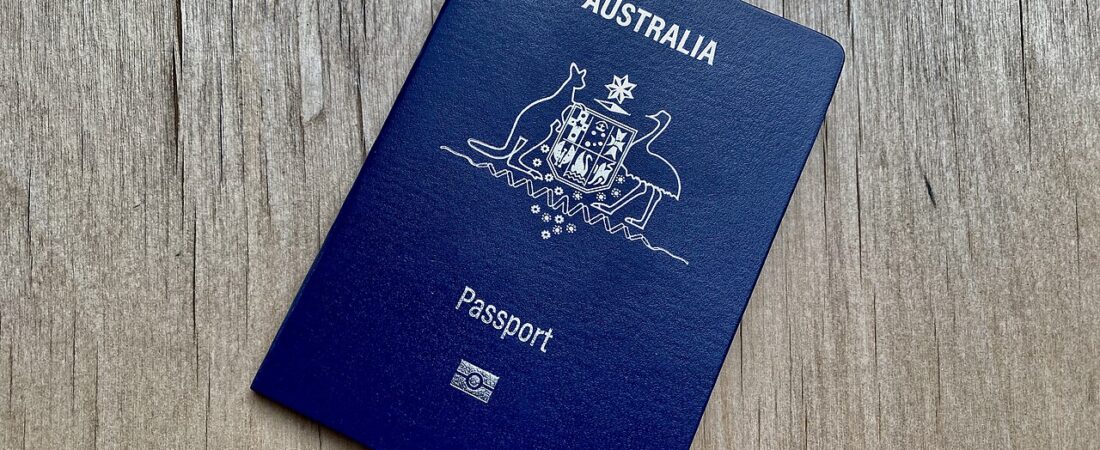
A guest of mine once had her bag, passport included, taken from a cafe table while she stepped away for thirty seconds. She spent the next week learning the hard way that “losing your passport” and “losing your Australian passport” are two completely different processes, and most guides online only cover the second one.
Quick answer: If you’re a visitor or temporary resident and lose a foreign passport while in Australia, report it to police, then contact your own country’s embassy or consulate in Australia, not the Australian Passport Office, which only handles Australian passports. If you hold an Australian passport and lose it, report it to the Australian Passport Office and apply for a replacement.
Step 1: Report It to Police (Do This First, Regardless of Nationality)
Whether your passport is foreign or Australian, report the loss or theft to local police as soon as possible. You’ll typically need the police report number for your embassy or the Passport Office, and for any travel insurance claim if items were stolen alongside it.
If You’re a Visitor: Contact Your Own Country’s Embassy or Consulate
This is the part most generic guides get wrong for our readers specifically. The Australian Passport Office only issues Australian passports, if you’re travelling on a passport from another country, you need to contact that country’s embassy or consulate in Australia, not an Australian government office.
- Most embassies can issue an emergency travel document or replacement passport, though processing times vary significantly by country
- Bring whatever secondary ID you have (driver’s licence, birth certificate copy, old passport photocopy if you have one stored digitally)
- Ask specifically whether they can issue something valid for your onward or return travel, versus a full replacement passport, timelines differ
If You Hold an Australian Passport
- Lost or stolen: you cannot simply replace it, you must report it lost or stolen through the Australian Passport Office, then apply for a completely new passport
- Standard processing: allow at least 6 weeks from lodging your application
- Urgent travel: priority processing can produce a passport in as little as 2 working days if you genuinely need to travel soon
- If overseas: contact your nearest Australian embassy or consulate rather than an office in Australia, they can issue an emergency passport (valid up to 1 year, no passport chip) to get you home
What Travel Insurance Actually Covers Here
Most comprehensive travel insurance policies cover at least part of the cost of passport replacement fees, altered travel arrangements, and extra accommodation caused by the delay, check your specific Product Disclosure Statement, since coverage and limits vary. This is exactly the kind of situation travel insurance exists for, keep your police report number and any receipts for the claim.
If You’re on a Visa, Your New Passport Needs to Be Linked to It Too
This is the part most guides skip, and it genuinely trips people up. Australian visas are electronically linked to your passport number, there’s no physical visa label in your passport. Once you get a replacement passport (whether a full reissue or an emergency travel document from your embassy), your existing Australian visa is still technically attached to the old, cancelled passport number until you formally update it. If you don’t update this before you try to depart or re-enter, you can face delays at the airport, or in some cases the system won’t be able to confirm your visa is valid against the new document.
You update this through ImmiAccount (Update details → Change of passport details), which the Department says takes about 3 business days to process. If your situation doesn’t let you use ImmiAccount, for example your travel document is a Titre de Voyage, Certificate of Identity, or your application ID starts with “IRIS”, there’s a separate New Passport Details web form, which takes up to 14 days. One exception: if you hold a Visitor visa via the Electronic Travel Authority (subclass 601), it cannot be transferred to a new passport at all, you’ll need to apply for a brand new ETA against your new passport details.
Source: Department of Home Affairs – You have a new passport.
Don’t Book New Travel Until You Actually Have a Valid Document
It’s tempting to rebook flights immediately to minimise disruption, but without a valid passport or emergency travel document in hand, you won’t be able to check in or cross a border. Wait until you have the physical document (or confirmed issuance) before locking in new travel dates.
A Few Practical Tips
- Keep a digital photo or scan of your passport’s photo page stored somewhere separate from the physical document (cloud storage, email to yourself)
- Note your passport number somewhere separate as well, it speeds up every step of the replacement process
- If your other ID was stolen alongside your passport, report that separately too, particularly bank cards
Final Thoughts
The single most common mistake is visitors assuming the Australian Passport Office can help with a non-Australian passport, it can’t, and wasting a day finding that out delays everything else. Know which embassy you actually need before you’re standing in a police station explaining what happened. For broader travel insurance coverage questions, see our guide on travel insurance for visiting Australia.
—
*This article is for general informational purposes only. Passport replacement processes vary by country and change periodically, always confirm current requirements with your relevant embassy, consulate, or the Australian Passport Office.*