A new staff member once cancelled her old SIM the moment she signed up with a cheaper provider, thinking that was how you switch. She lost her number entirely, the one every job application and bank account was already tied to. The actual process is almost embarrassingly simple, as long as you do it in the right order.
Quick answer: To keep your number when switching Australian mobile providers, sign up with your new provider and select “keep my existing number” during setup, don’t cancel your old plan first. By law, your current provider cannot refuse the transfer, and most ports complete within a few hours to two business days.
The One Rule That Matters Most
Never cancel your old service before the port completes. Your new provider handles the disconnection from your old plan automatically as part of the porting process. If you cancel first, you risk losing the number permanently, there’s no guaranteed way to get it back once it’s released back into the general pool.
What Actually Happens If You Cancel First
ACMA’s rules are more specific than most people realise on this point. If your number gets disconnected — whether by cancelling early or through a mistake during the port — it doesn’t disappear immediately. It goes into quarantine for 6 to 12 months, during which nobody else can be issued the number. If the disconnection happened in error (for example, your old provider cut you off during the porting process instead of after), the telco holding it in quarantine is required to reissue it back to you within one business day, if you ask them to.
That’s a genuine safety net if something goes wrong mid-port — but it only applies to errors, not to a plain early cancellation on your part. There’s also usually a small porting fee, some providers charge around $8 to port a mobile number out, on top of any final bill you owe.
Source: ACMA – Keep or transfer your phone number.
How the Process Actually Works
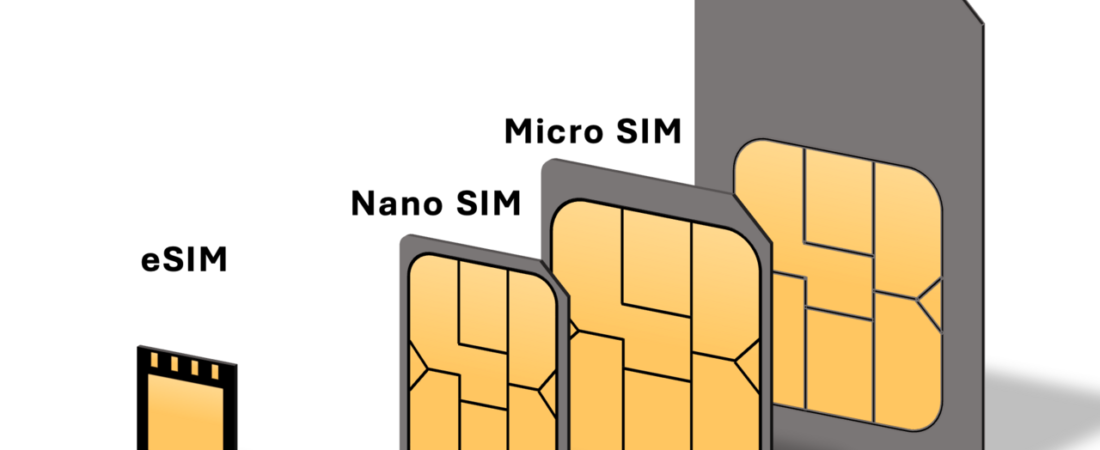
1. Buy a SIM (physical or eSIM) from your new provider, online or in-store
2. During activation or sign-up, select the option to “keep my existing number” (wording varies slightly by provider)
3. Provide your current account number and, if requested, a porting authorisation code from your old provider
4. You’ll typically receive a verification code by SMS to your current number, enter this to confirm you’re the legitimate account holder
5. Your new provider handles the rest, including disconnecting your old service once the transfer completes
How Long It Actually Takes
Most standard mobile number ports complete within 1-4 hours to 2 business days. By law, providers must complete 90% of ports within 3 hours of the request, and 99% within 2 business days. Porting only happens during business hours (roughly 8am-8pm weekdays, 10am-6pm Saturdays), a request submitted Sunday will typically process on the next business day.
2026 Update: Extra Verification for Fraud Prevention
Following the government’s Scams Prevention Framework, telcos have added stronger identity verification steps to the porting process during 2026, specifically to prevent “port-out fraud”, where a scammer transfers your number to a new carrier without your knowledge to intercept SMS-based bank or account verification codes. If you didn’t request a port but get a verification SMS, do not share that code with anyone, and contact your provider immediately.
Do You Need to Unlock Your Phone?
If your current phone is locked to your existing carrier (common with plans that included a subsidised device), you may need to request an unlock before the new SIM will work properly in it. This is separate from number porting itself, check with your current provider if you’re unsure whether your device is locked.
Your Provider Cannot Refuse
Under rules set by the Australian Communications and Media Authority (ACMA), a provider must allow you to port your number out if you request it. If your current provider is deliberately obstructing a valid request, you can escalate a complaint to the Telecommunications Industry Ombudsman (TIO).
Source: ACMA – Keep or transfer your phone number.
What to Have Ready Before You Start
- Your current mobile number
- Your current provider’s name and your account number
- A porting authorisation code, if your provider requires one (check your current provider’s app or account portal)
Final Thoughts
Number porting in Australia is genuinely one of the more consumer-friendly processes in the telco world, mostly automated, legally protected, and usually done within a day. The only real way to get it wrong is cancelling your old service before the port finishes, avoid that one mistake and the rest takes care of itself. For a broader comparison of provider options, see our guide on prepaid vs postpaid mobile plans in Australia.
—
*This article is for general informational purposes only. Porting processes and timeframes can vary by provider, always confirm current requirements directly with your new provider before switching.*
If you’re switching because your current plan doesn’t have enough data for remote work, our guide to the best data SIM plans for remote work in Australia covers plans built for heavier data use.