After watching enough visitors get caught out by the same things, I put together this list. None of it is in the guidebooks, but locals figure it out fast.
Quick answer: The biggest surprises for first-time visitors are usually that tipping is not expected, sun protection is essential even in mild weather, and distances between cities are far bigger than they look on a map.
1. Tipping Is Not Expected
Unlike the US, tipping in Australia is not a cultural expectation. Wages for hospitality workers include a legal minimum wage, so servers are not relying on tips to make ends meet. Rounding up the bill or leaving a small amount for exceptional service is appreciated but never required.
2. Tap Water Is Safe Everywhere
Tourists sometimes assume they need bottled water, but tap water across Australian cities and most towns is safe and highly regulated. Save your money and bring a reusable bottle instead.
3. The Sun Is No Joke
Australia has some of the highest UV levels in the world due to a thinner ozone layer over the Southern Hemisphere. Locals apply sunscreen year-round, even on cloudy days. Sunburn can happen in under 15 minutes during summer — pack SPF 50+ and a hat.
Source: ARPANSA – Sun protection.
4. Public Transport Rules Vary by City
Each major city has its own transport card system: Opal in Sydney, Myki in Melbourne, Go Card in Brisbane. Tapping on and off correctly matters — forgetting to tap off can result in being charged the maximum fare.
5. “Thongs” Means Flip-Flops
If a local mentions wearing thongs to the beach, they mean flip-flop sandals, not underwear. Australian English has plenty of these quirks — “esky” is a cooler, “servo” is a gas station, and “arvo” means afternoon.
6. Not All Beaches Are Patrolled
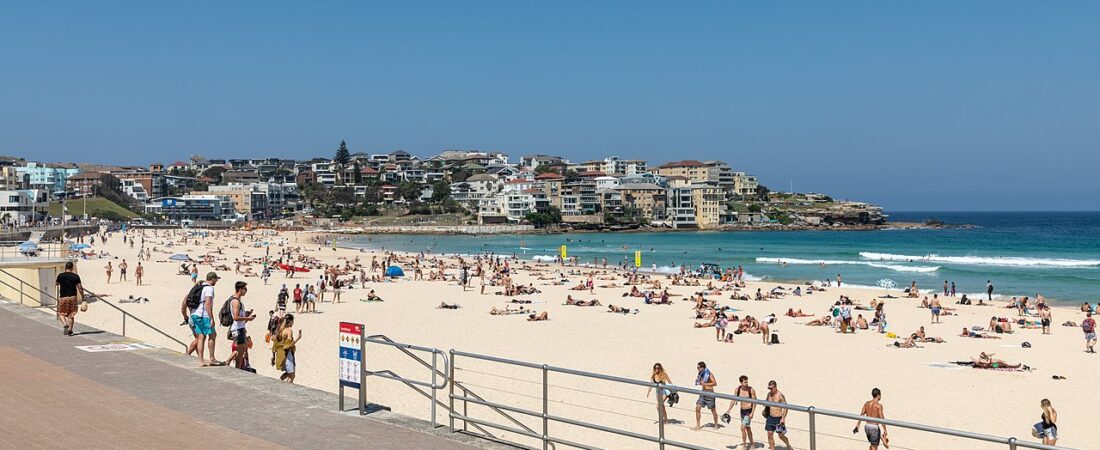
Beaches with flags and lifeguards (patrolled beaches) are the only ones where it is considered safe to swim, especially given rip currents. You can check patrolled beach locations and safety flags on the Surf Life Saving Australia website. Locals always check for flags and swim between them — an unpatrolled beach that looks calm can still have dangerous currents.
7. Wildlife Encounters Are More Common Than You Would Think
Kangaroos, possums, and even the occasional snake or spider can turn up in fairly ordinary suburban settings, especially near bushland. Most wildlife will avoid you if left alone. Locals know not to approach or feed wild animals, both for safety and because it is often illegal.
8. Shops Close Earlier Than Expected
In many cities, especially outside the CBD, shops can close as early as 5 or 6pm on weekdays, with later hours (late night shopping) only on specific days like Thursday. Sundays and public holidays often have reduced trading hours too. Always check ahead if you are planning to shop in the evening.
9. Distances Are Deceptively Large
Australia is roughly the size of the contiguous United States, but with a much smaller population concentrated in coastal cities. A quick drive between cities can easily mean 8-10+ hours. Locals plan road trips with this scale in mind — always check driving distances before assuming something is a day trip.
10. BYO Restaurants Are a Thing
Many restaurants, especially smaller or ethnic cuisine spots, are BYO (Bring Your Own alcohol), often with a small corkage fee. It is a great way to save money on wine or beer with dinner, but it is worth calling ahead to confirm whether a venue allows it and if there is a fee involved.
Final Thoughts
None of these are dealbreakers — they are just the small local knowledge that makes a trip smoother. Knowing them ahead of time means fewer surprises and more time enjoying everything Australia has to offer.
If you’re weighing up where to base yourself, our Sydney vs Melbourne comparison covers the bigger lifestyle differences.