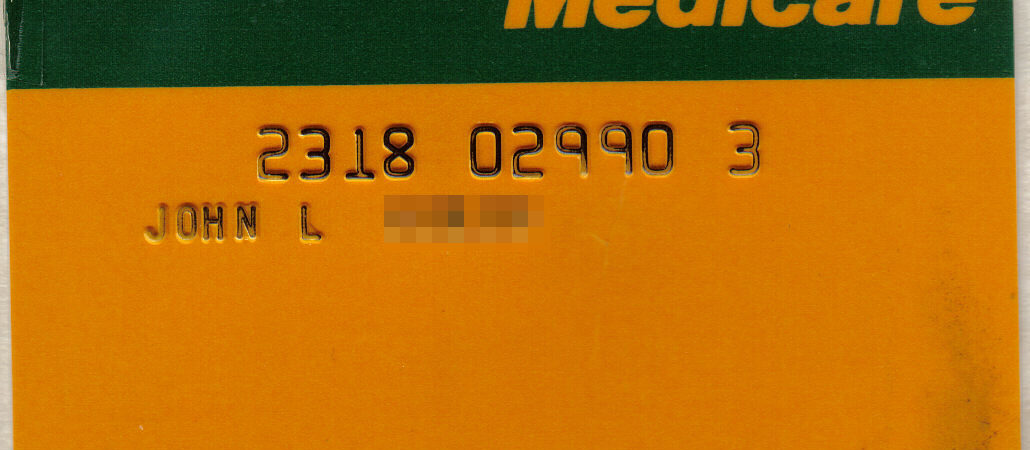
Quick answer: You can get Medicare if you’re an Australian citizen, a permanent resident, or a New Zealand citizen living in Australia. Visitors from 10 other countries with a Reciprocal Health Care Agreement can access limited Medicare cover for immediate medical needs. Temporary visa holders like students and working holiday makers generally aren’t eligible and need private cover (OSHC or OVHC) instead.
Who’s Actually Eligible for Medicare
Medicare is Australia’s public health insurance scheme, and eligibility comes down to your visa or citizenship status, not how long you’ve lived here or how much tax you’ve paid. The core eligibility groups are:
- Australian citizens
- Australian permanent residents (you can enrol as soon as you’re living in Australia — there’s no waiting period)
- New Zealand citizens living in Australia (you need to show you actually live here, not just that you’re visiting)
If you’re on a temporary visa — student, working holiday, skilled temporary, bridging visa while your permanent application is processed — you’re generally not eligible for Medicare unless a Reciprocal Health Care Agreement applies to your country.
Reciprocal Health Care Agreement Countries
Australia has Reciprocal Health Care Agreements with 11 countries: New Zealand, the United Kingdom, Ireland, Belgium, the Netherlands, Finland, Italy, Malta, Norway, Slovenia, and Sweden. If you’re visiting from one of these countries, you can generally get Medicare cover for immediately necessary medical treatment — GP visits and treatment at a public hospital — but it’s not full cover for planned or ongoing treatment, and it’s not a substitute for travel insurance.
New Zealand and Irish citizens don’t need to separately enrol for RHCA cover and won’t be issued a Medicare card for it. Citizens of the other RHCA countries generally need to enrol in person or online to access the agreement.
Source: Services Australia – About reciprocal health care agreements.
How to Enrol in Medicare
If you’re eligible, enrolling is done through myGov:
- Create or sign in to your myGov account
- Link the Medicare service (if it isn’t already linked)
- Complete the online enrolment questions
- Upload clear copies of your supporting documents — passport, visa grant notice, and proof of residency depending on your situation
- Submit your application
Processing usually takes a couple of weeks. Your Medicare card and number are issued once your application is approved, and you can use your Medicare number for GP bookings before the physical card arrives.

What Medicare Actually Covers
Medicare covers most of the cost of seeing a GP, treatment in a public hospital as a public patient, and a rebate on many specialist services when you have a referral. When a doctor “bulk bills,” they accept the Medicare rebate as full payment, so the visit is free at the point of care. Not every doctor bulk bills every patient — many charge a “gap fee,” which is the difference between what they charge and what Medicare pays back, and you cover that gap yourself.
Medicare also subsidises prescription medicines on the Pharmaceutical Benefits Scheme (PBS), which is why a script that would cost far more overseas is often a much smaller out-of-pocket amount here.
What Medicare Doesn’t Cover
Medicare doesn’t cover dental (outside a few limited public programs), ambulance transport in most states, most physio and allied health without a specific care plan, or private hospital treatment. It also doesn’t cover you overseas, which is a common misunderstanding for permanent residents and citizens planning a trip home — you still need travel insurance.
Medicare vs OSHC vs OVHC
If you’re not eligible for Medicare, you’re not without options — you’re just in different, private cover. International students on a student visa need OSHC (Overseas Student Health Cover), and working holiday makers typically arrange OVHC (Overseas Visitor Health Cover). Both are private insurance products designed to substitute for Medicare while you’re on a temporary visa, not a full match for what Medicare covers — always check the policy’s actual inclusions before assuming it behaves like the public system.
Final Thoughts
Medicare eligibility in Australia is really a citizenship and residency question, not a “how long have you been here” question. If you’re a citizen, permanent resident, or eligible New Zealand citizen, enrol through myGov as soon as you’re settled — there’s no reason to wait. If you’re here on a temporary visa without RHCA cover, sort out OSHC or OVHC before you need it, not after.
Frequently Asked Questions
Can working holiday makers get Medicare in Australia?
Generally no — working holiday makers (subclass 417/462) aren’t eligible for Medicare unless they’re a citizen of a Reciprocal Health Care Agreement country. Most working holiday makers need private Overseas Visitor Health Cover (OVHC) instead, which is also a condition of the visa.
How long does it take to get a Medicare card after enrolling?
Processing usually takes around two weeks through myGov. You can generally use your Medicare number for GP bookings and prescriptions before the physical card arrives in the mail.
Does Medicare cover me if I travel overseas?
No. Medicare only covers treatment within Australia. If you’re an Australian citizen or permanent resident travelling overseas, you need separate travel insurance — Medicare doesn’t provide any cover once you leave the country.
What’s the difference between Medicare and bulk billing?
Medicare is the public health insurance scheme itself. Bulk billing is when a doctor chooses to accept the Medicare rebate as full payment for a service, meaning you pay nothing out of pocket. Not all doctors bulk bill every patient, so it’s worth asking before you book.
Once you understand your eligibility, our guide on bulk billing vs paying upfront at the GP covers what actually happens when you use that Medicare card.