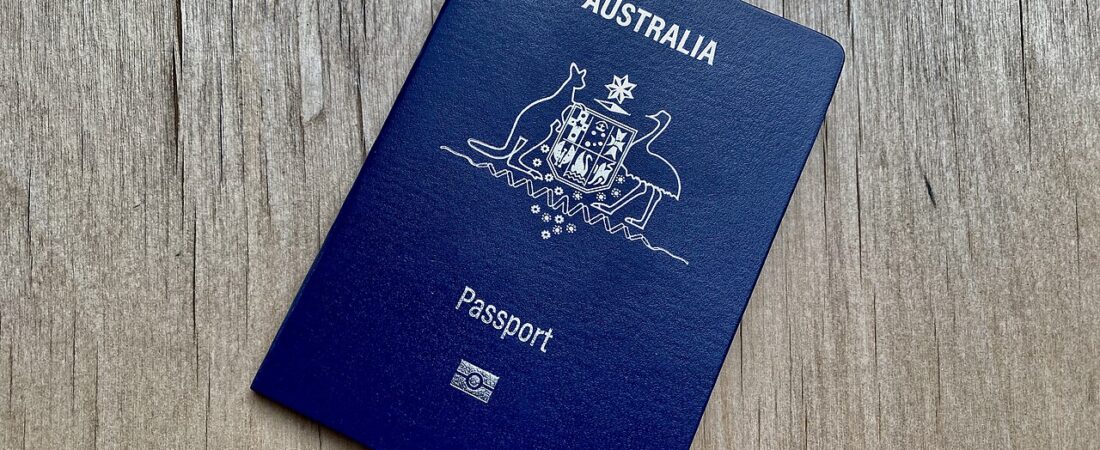
A few clients messaged me this month asking why their visa quote suddenly looked so much higher than what a friend paid last year. Turns out it is not a mistake — the fees genuinely jumped.
Quick answer: From 1 July 2026, most Australian visa application charges rose by around 25%. Tourist visas (eVisitor, ETA) were the exception and were not increased.
The Headline Number: Most Fees Rose by 25%
Most mainstream visa categories saw a roughly 25% increase in their base application charge, a much bigger jump than the usual annual CPI-linked adjustment of 2-5%. A few categories, like Bridging Visa B and certain New Zealand family visas, rose by significantly more.
What This Means for Common Visa Types
- Student visa (Subclass 500): increased to $2,500 (up from $2,000)
- Partner visa: increased to $11,710, among the highest partner visa costs of any country in the world
- Skilled visas (189/190/491/494/186): now sit between roughly $6,135 and $6,140 for the primary applicant
- Temporary Graduate visa (Subclass 485): has now increased twice within a year, first doubling in March 2026 and then rising a further 25% in July 2026
The Good News: Tourist Visas Were Not Increased
If you’re planning a short tourist trip, this is important — the eVisitor (subclass 651) and Electronic Travel Authority (ETA, subclass 601) categories were not increased in this round of changes. These remain the cheapest and simplest options for most short-term visitors. You can always check current fees on the official Department of Home Affairs visa listing before applying.
Working Holiday Makers: What Changed
For Working Holiday (Subclass 417) and Work and Holiday (Subclass 462) visas, the fee structure follows its own separate schedule rather than the broad 25% increase. One notable change: applicants must now meet the age requirement at the time of lodgement, rather than at a later assessment point. The maximum age for Subclass 417 applicants has also increased from 30 to 35 for passport holders from select countries under updated reciprocal arrangements — worth checking if you’re close to the age cutoff.
Other Related Costs That Also Increased
It’s not just the visa application charge itself:
- The Temporary Skilled Migration Income Threshold (TSMIT) — the minimum salary required for employer sponsorship — increased to $79,423 per year
- The Fair Work High Income Threshold increased from $183,100 to $190,100
- Administrative Review Tribunal (ART) fees for visa decision reviews increased to $3,727
- Citizenship application fees rose modestly, roughly in line with CPI
Source: Department of Home Affairs – Current visa pricing. Use the Department’s Visa Pricing Estimator for an exact quote for your situation, since second instalments and extra charges for some visas aren’t always reflected in headline figures.
What Happens If You Already Applied Before 1 July 2026?
Your fee is locked in based on the date the Department of Home Affairs actually received your application — not the date you started preparing it. If you lodged before 1 July 2026, the old (lower) fee schedule still applies, regardless of when a decision is eventually made.
What To Do Before You Apply
- Always confirm the exact current fee for your specific visa subclass on the official Home Affairs website, since fees are reviewed regularly
- Budget for the visa charge as only one part of the total cost — English tests, skills assessments, medical exams, and police checks are all separate
- If you’re on a tight timeline and close to an age or eligibility cutoff, lodge as early as possible rather than waiting
If your application is taking a while to process, you may end up on a bridging visa in the meantime, see our guide on how bridging visas work for what you can and cannot do while you wait.
Working out your eligibility before you pay? See how the 417 and 462 working holiday visas actually work, including age limits and the six-month employer rule.
Final Thoughts
Whether this affects you significantly depends entirely on which visa you’re applying for. Short-term tourists on the eVisitor or ETA are unaffected by this round of increases, while those pursuing skilled migration, partner visas, or graduate pathways are facing meaningfully higher upfront costs. Either way, checking the current official fee before you lodge is more important than ever.