The number one planning mistake I see visitors make is treating Australia like one climate. It’s not, it’s roughly the size of the mainland US, and what’s perfect weather in Cairns in July is the worst possible time to visit Perth. Here’s how it actually breaks down.
Quick answer: Visit the southern cities (Sydney, Melbourne, Adelaide) between October and April for warm weather. Visit the tropical north (Cairns, Darwin) between May and October, the dry season, to avoid monsoon rains and stinger season.
Why Australia Doesn’t Have One “Best Time”
According to the Bureau of Meteorology, Australia spans from tropical monsoon climates in the far north to temperate, four-season climates in the south. It’s also in the Southern Hemisphere, so the seasons are flipped from what most international visitors expect, summer runs December to February, winter June to August.
Southern Cities: Sydney, Melbourne, Adelaide
Best time: October to April (spring through autumn)
These cities have genuine seasons similar to parts of Europe or the US, just flipped. Summer (December-February) is warm and busy with peak domestic holiday crowds, especially around Christmas and New Year. Spring (September-November) and autumn (March-May) offer milder weather with fewer crowds, generally the sweet spot for comfortable sightseeing without summer’s heat or winter’s chill.
Winter (June-August) is cool rather than harsh, Melbourne and Sydney rarely see snow, but it’s not beach weather, and some attractions run reduced hours.
Tropical North: Cairns, Darwin, the Kimberley
Best time: May to October (the dry season)
This region flips the usual logic entirely. The wet season (November-April) brings heavy monsoon rain, high humidity, and importantly, the presence of dangerous marine stingers along the coast, making ocean swimming risky without a stinger suit. The dry season (May-October) is when this region is actually at its best: warm, far less humid, and safe for swimming at most beaches.
If the Great Barrier Reef is a priority, the dry season also tends to offer clearer water and better visibility for diving and snorkelling.
Stinger season officially runs from around October/November through to May in far north Queensland waters, covering both box jellyfish and the much smaller, harder-to-spot Irukandji. Patrolled beaches install netted swimming enclosures during this window, but the nets don’t stop Irukandji — they’re too small to filter out. If you’re swimming in the tropical north during stinger season, stick to netted enclosures at patrolled beaches and follow lifeguard advice, or wear a full-body stinger suit.
Perth and Western Australia
Best time: September to April
Perth has a Mediterranean-style climate, hot dry summers and mild wet winters. Spring (September-November) is particularly good, when the wildflower season across the region is at its peak, a genuinely spectacular and often overlooked reason to visit WA specifically in spring.
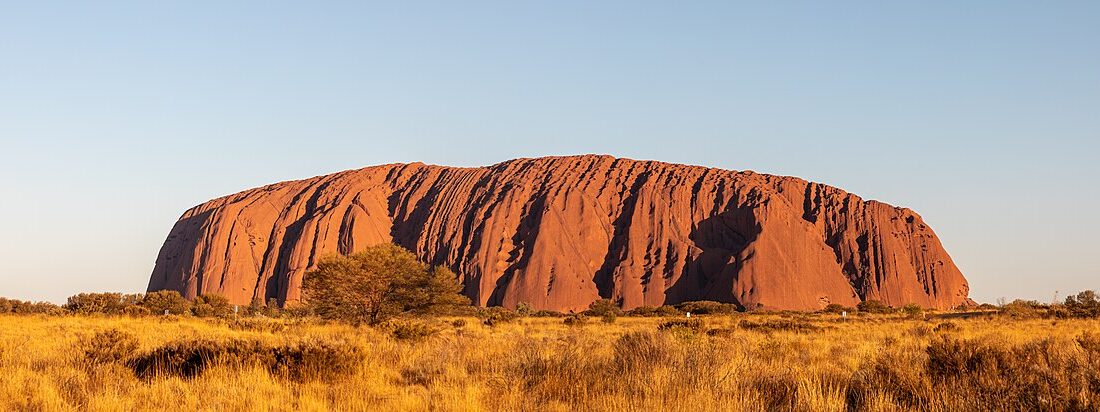
The Red Centre: Uluru, Alice Springs
Best time: May to September
Desert climates run to extremes. Summer daytime temperatures in the Red Centre regularly exceed 40°C, genuinely dangerous for hiking or extended outdoor time. Winter (May-September) brings much more comfortable daytime temperatures, though nights can get surprisingly cold, pack layers.
Parks Australia’s own safety guidance for Uluru-Kata Tjuta National Park is blunt about it: temperatures regularly reach 30°C or more and can exceed 40°C in summer, and the park strongly recommends against walking after 11am in summer, with the hottest, most dangerous period being 2:30pm-6:30pm. If you’re visiting outside the May-September window, plan any walks for early morning only.
Tasmania
Best time: December to March
Tasmania’s cooler, more variable climate means summer is genuinely the best window for hiking and outdoor activities without needing serious cold-weather gear. Outside these months, some of the more remote walking tracks become significantly harder or close due to weather.
Whale Watching Season
If whale watching is on your list, it adds another layer to the timing decision that most “best time to visit” guides skip entirely. Humpback whales migrate along Australia’s east coast every year between April and November — travelling north from June to August, then back south from September to November. Hervey Bay, sheltered by K’gari (Fraser Island), is one of the best spots on the whole route, with peak activity in August and September as mother-calf pairs rest in the bay. Eden (NSW) and Byron Bay are other reliable viewing towns along the migration path.
Sources: DCCEEW – The humpback whales of Eastern Australia, Parks Australia – Uluru-Kata Tjuta staying safe.
Quick Reference by Region
- Sydney, Melbourne, Adelaide: October-April
- Cairns, Darwin, tropical north: May-October
- Perth, WA: September-April (spring for wildflowers)
- Uluru, Red Centre: May-September
- Tasmania: December-March
Month-by-Month Snapshot
| Region | Best months | Avoid |
|---|---|---|
| Sydney/NSW coast | Sep-Nov, Mar-May | Peak summer crowds (Dec-Jan) |
| Melbourne/VIC | Mar-May, Sep-Nov | Winter (Jun-Aug) can be cold and wet |
| Queensland/Whitsundays | May-Oct (dry season) | Wet/cyclone season (Nov-Apr) |
| Western Australia | Sep-Nov (wildflowers), May-Sep (north) | Peak summer heat inland |
| Northern Territory | May-Sep (dry season) | Wet season (Nov-Apr), extreme heat/humidity |
| Tasmania | Dec-Mar (summer) | Winter (Jun-Aug) is cold, some roads affected |
Frequently Asked Questions
Is there ever a genuinely bad time to visit Australia?
Not universally — Australia’s size means seasons vary hugely by region. Northern Australia’s wet season (Nov-Apr) is the most commonly cited “avoid if possible” window due to heat, humidity, and cyclone risk.
When is the cheapest time to visit?
Shoulder seasons (autumn/spring) generally offer the best balance of good weather and lower prices, avoiding both peak summer premiums and winter off-season closures in some regional areas.
Final Thoughts
If your trip covers multiple regions, and many do, there’s rarely a single month that’s perfect everywhere at once. Shoulder seasons (April-May and September-October) tend to offer the best overall compromise across most of the country, avoiding both the wet season up north and the coldest weeks down south.
Pair this with our guides on 10 things tourists don’t know about Australia and the full state-by-state public holidays list when you’re timing a trip.
Whichever region you choose, it’s worth knowing the basics of bushfire season safety before you go, since risk and timing both vary significantly by region.