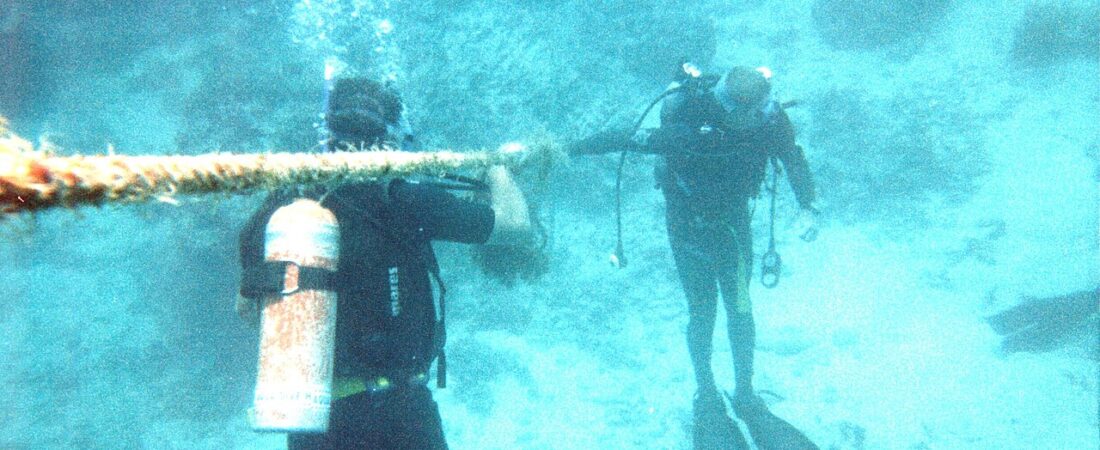
A mate of mine tore his shoulder diving off Cairns last year and found out the hard way, three weeks before the trip, that his travel insurance didn’t cover it. He’d bought the cheapest policy he could find without reading past the headline price. Don’t be that guy.
Quick answer: Standard travel insurance often excludes or limits cover for activities like diving below a certain depth, skydiving, off-piste skiing, and some hiking above a certain altitude. Check the policy’s activities list before you book, and pay for an adventure sports add-on if your trip includes anything on the exclusion list.
Why Standard Policies Fall Short
Most budget travel insurance policies are written for a fairly cautious version of a holiday: sightseeing, beach time, the odd bushwalk. The moment your itinerary includes something with a genuine risk of injury, insurers start adding exclusions or requiring you to pay extra. This isn’t insurers being difficult, it reflects real claims data, adventure activities cause a disproportionate share of payouts.
Activities That Commonly Need Extra Cover
- Scuba diving below a certain depth (often 10 or 18 metres, varies by insurer), or diving without an open certification
- Skydiving, bungee jumping, and paragliding
- Off-road quad biking or dirt bike riding
- Rock climbing and abseiling outside of guided, low-risk settings
- Hiking above a certain altitude or on ungraded/unmarked trails
- Surfing in remote or unpatrolled locations, in some policies
Snorkelling, guided reef tours, and casual bushwalks on marked trails are usually fine under standard cover, it’s the higher-risk, higher-skill end of the spectrum that gets excluded.
How to Actually Check Before You Book
Don’t rely on the marketing page. Every reputable insurer publishes a Product Disclosure Statement (PDS), a long but searchable document that lists exactly what is and isn’t covered. Search the PDS (Ctrl+F works fine) for the specific activity you’re planning, “diving,” “skydiving,” whatever applies, and read the actual clause rather than assuming.
If your planned activity isn’t explicitly listed either way, call the insurer and ask directly before you buy. A five-minute phone call is much cheaper than finding out mid-trip that you’re not covered.
What an Adventure Sports Add-On Usually Costs
Most insurers offer an “adventure activities” or “sports pack” add-on for an extra 10-30% on top of the base premium, covering a defined list of higher-risk activities. It is almost always worth it if you’re doing even one activity on the exclusion list, since a single hospital transfer or evacuation from a remote area can run into the tens of thousands of dollars without cover.
A Few Australia-Specific Things to Know
- The Great Barrier Reef involves boat transfers and sometimes diving, check both the marine transport and diving clauses
- The Outback and remote national parks can mean genuinely long distances from the nearest hospital, emergency evacuation cover matters more here than in a capital city
- Surfing is popular and generally lower-risk than people assume for insurance purposes, but check if your policy has a wave-height or location exclusion for well-known surf breaks
Even With a Reciprocal Health Care Agreement, This Still Applies
If you’re visiting from the UK, Ireland, New Zealand, or one of the other countries with a Reciprocal Health Care Agreement (RHCA) with Australia, it’s easy to assume you’re already covered and skip the adventure sports add-on. You’re not, at least not for the part that actually matters here. An RHCA gets you access to Medicare for urgent public hospital treatment while you’re here, but it doesn’t cover private hospital care, medical transport, or emergency evacuation, exactly the costs that pile up fastest after a diving accident on the reef or a fall on an unmarked hiking trail. The agreement is genuinely useful for a general illness or injury, but it was never designed to replace proper travel insurance for higher-risk activities.
Source: Services Australia – Reciprocal Health Care Agreements.
Final Thoughts
The gap between a standard policy and one that actually covers your trip usually isn’t about the insurer being cheap or generous, it’s about whether you told them what you’re actually planning to do. Read the activities list, ask if you’re unsure, and pay the small extra for the add-on if your Australia trip involves anything more adventurous than a beach walk. For a broader look at travel insurance basics, see our guide on travel insurance for visiting Australia.
—
*This article is for general informational purposes only and does not constitute financial or insurance advice. Always review the Product Disclosure Statement of any policy before purchasing.*